Red Ants vs Fire Ants: Key Differences & How to Tell
TL;DR
Red ants serve as a general term for reddish insects, while fire ants are a specific species. All fire ants are red ants, but not all red ants are fire ants.
Native ant species show aggression low with sting rare or none, whereas invasive fire ants deliver intense burning through potent venom. Their pain level differs dramatically.
Red carpenter ants prefer moist decayed wood and only bite, while fire ants build large dirt mounds across lawns and landscaping. Each demands separate handling.
DIY control proves often effective against smaller native species, but frequently fails with fire ants due to rapid colony growth. Professional help becomes essential.
Many homeowners confuse red ants with fire ants, yet these invasive insects differ sharply. Native to South America, the red imported fire ant arrived via ballast soil in Mobile Alabama during the 1930s, spreading aggressively.
According to the USDA, colonies now cover 367 million acres, pushing into their northern range near coastal Virginia and Richmond. Their aggressive behavior, painful stings, and sprawling mound systems make accurate identification essential before attempting any DIY control success.
Are Red Ants Fire Ants?
No—red ants are not automatically fire ants, since “red ant” is a general term describing many native ant species by reddish coloring, not one recognized fire ant.
Here’s the important takeaway:
- All red imported fire ants are red.
- Not all red ants are fire ants.
According to entomologists at Texas A&M AgriLife Extension, correct labeling matters — because sting severity, serious medical reactions, and federal quarantine regulations hinge on it.
Red Ants vs. Fire Ants: What Do They Look Like?

Telling these two reddish insects apart is tricky because a shared reddish coloring hides very different threats.
“People lump every reddish-brown ant into one broad label,” says entomologist Dr. Nathan Riley. “Harvester ants, pavement ants, and field ants all wear that light red to dark brown shade, yet only one belongs to the red imported fire ant lineage.”
“Homeowners spotting large red ants Georgia yards are famous for often assume they’re facing fire ants, but most are harmless native species,” Dr. Riley adds. “The public sees color first; professionals read anatomy, aggression, and nest behavior. That gap between perception and reality is exactly where costly misidentification begins.”
Red Ants
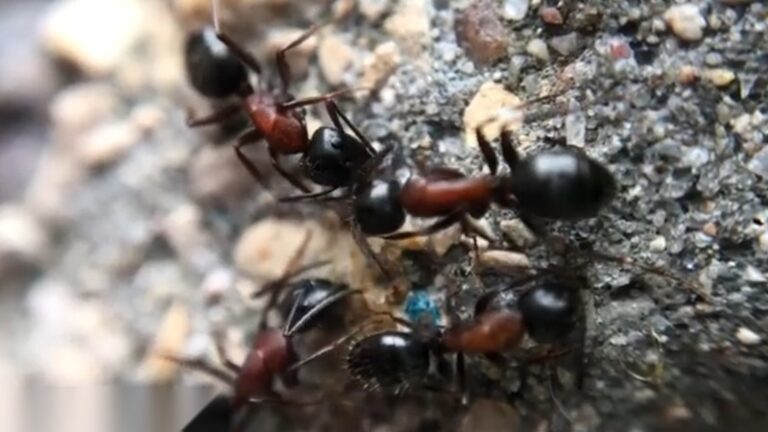
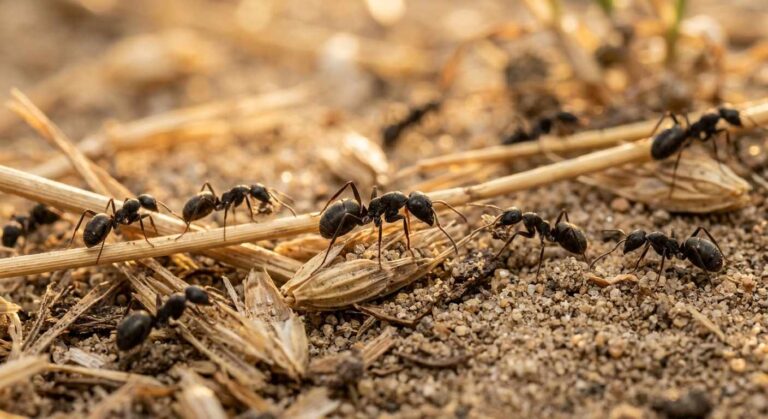
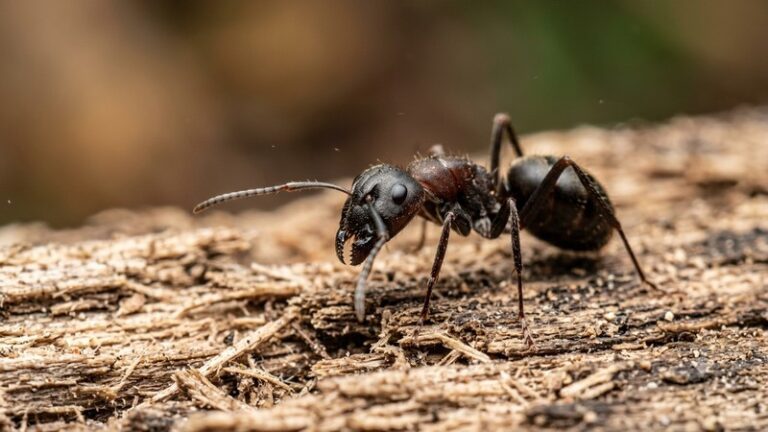
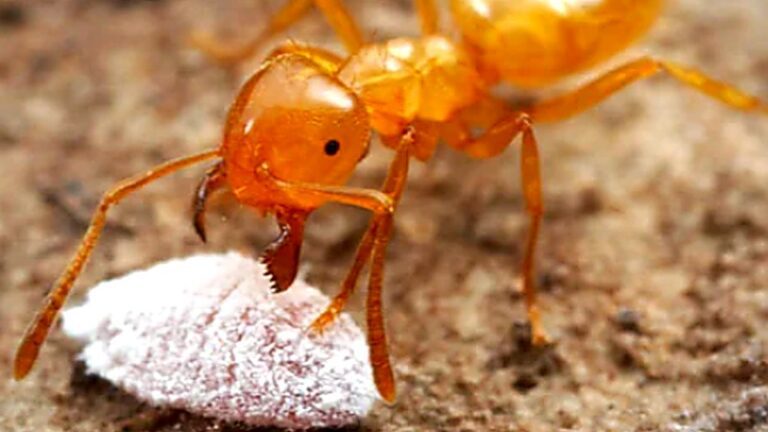
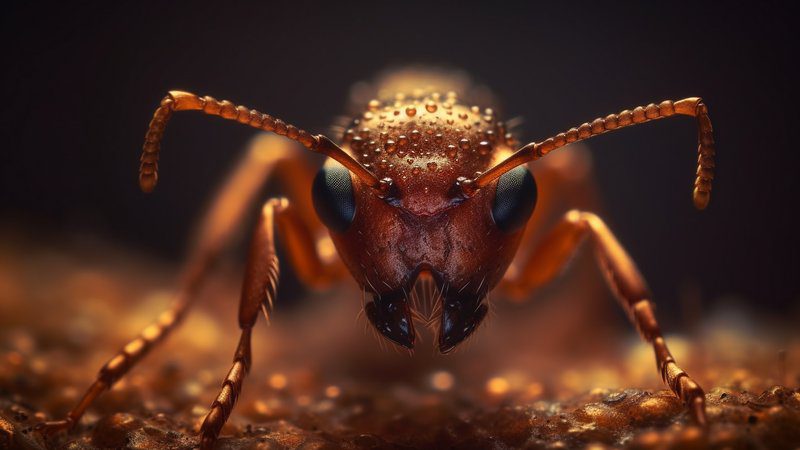
These non-aggressive foragers measure roughly 3-6 mm, moving quietly through soil and cracks in pavement. Their standout trait is a red-orange head paired with a black abdomen, a bicolored look rarely confused once examined closely.
Fire Ants
Noticeably larger insects than red ants, fire ants stretch 5-13 mm with darker abdomens and a reddish-brown appearance. When their large mounds are disturbed, they turn extremely aggressive, delivering multiple painful burning stings. As Dr. Riley warns, “Lean too close to a fire ant nest and you’ll learn respect the hard way.”
Where Do They Live?
Tracking these two apart gets confusing fast, since their territory and preferred soil conditions frequently overlap across shared regions.
“People assume both stick to open fields, but that’s misleading,” says a Texas A&M entomology expert. “Fire ants dominate Houston yards, refinery edges, and sunny lawn spaces, while red relatives favor cooler wooded pockets.”
“Homeowners typically spot fire ants near sidewalk cracks, electric utility boxes, and warm patios where they mounds up loose dirt,” the same expert notes. “Away from properties, they’d rather colonize damp open soil, choosing wild ground over manicured turf whenever undisturbed conditions allow them steady access.”
Red Ant Habitats
Native red ants gravitate toward moist decayed wood and shaded sandy mounds, building thatched material nests woven from dead vegetation near sheltered perimeter zones.
Fire Ant Habitats
Unlike wood-loving red kin, fire ants sculpt dome-shaped large mounds with no visible entrance holes rising through packed earth. They thrive across irrigated landscaping, overwatered lawns, walkways, and sprinkler systems soaked ground. “Disturb one nest and workers rush out immediately, swarming aggressively to deliver repeated painful stings,” warns the expert.
Aggressiveness
According to the University of Florida’s entomology researchers, native red ants remain relatively non-aggressive, delivering only mild bites when disturbed, whereas fire ants stay extremely aggressive, ready to attack in groups across open soil territory.
These highly aggressive invaders swarm rapidly, climb vertical surfaces, and deliver repeated stings that inject venom, causing human injury or pet injury, plus real threat to pets and kids through coordinated multiple stings during defense.
Why Fire Ants Are More Dangerous
Fire ant stings can cause:
- Painful stings
- White pustules
- Burning pain
- Allergic reaction in sensitized individuals
- Anaphylactic shock, a deadly systemic response requiring immediate medical attention
If you have ever wondered what ants have stingers capable of real harm, fire ants top the list, since they inject venom rather than just bite like most native ant species do when disturbed. Their repeated stings put pets, children at risk, play areas, and outdoor workers in far greater danger.
How To Get Rid Of Them
According to pest experts, professional pest control offers lasting control when fire ants invade lawns or gardens. Because colonies rebound quickly, targeting multiple queens across underground tunnels matters more than surface treat one mound approaches alone.
For stubborn red ants nesting in moist decayed wood, moisture control paired with fixing water damage disrupts red carpenter ants. Reducing overwatered lawns and improving drainage starves existing colonies, since consistent moisture and food sources sustain aggressive foraging activity.
Fire Ant Colonies and Behavior Patterns
According to the USDA, fire ants build a well-structured, organized social system where worker ants fiercely protect queen and brood, mobilizing whenever colonies perceive threat near their nests.
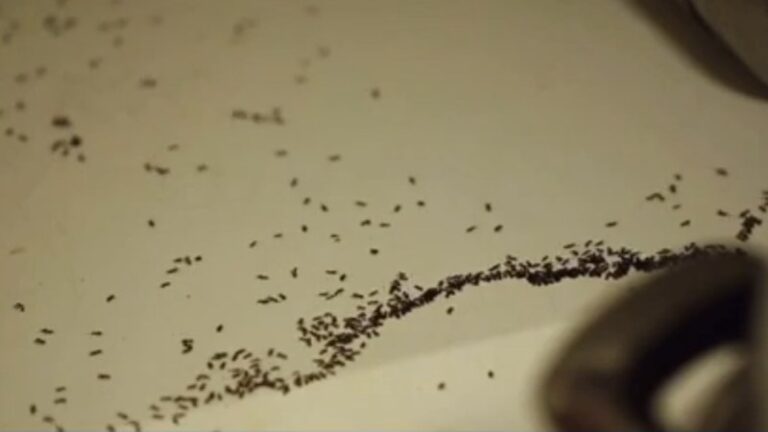
These aggressive foragers act as opportunistic predators and scavengers, showing voracious appetites as they attack and kill small vertebrates, insects, and small animals across sunny open sunny areas daily.
Disturb a mound and ants stinging swarm instantly—each stinger injects venom feeling like on fire. Their pheromone signals mobilize quickly, driving multiple stings while colonies aggressively attack any intruder.
Prevention
According to Texas A&M AgriLife Extension, denying ants easy access matters most. Seal every entry point—cracks, gaps, openings around sill plates, window frames, and porch posts—since these hidden gateways invite colonies indoors long before visible trouble begins outside.
Managing moisture proves essential too. Fix overwatered lawns, correct faulty irrigation systems, and eliminate low-lying areas holding consistent moisture. Repair water-damaged wood and leaks promptly, because red carpenter ants target existing moisture problems when selecting their nesting sites nearby.
Remove attractants systematically. Store food in airtight containers, wipe food crumbs, and clean up spills fast. Schedule regular inspections during spring, the peak ant season, since early action and early results consistently deliver better results than reactive treatment later.
Why Fire Ants Keep Returning To Yards
Fire ants thrive in:
- Moist open soil
- Over-irrigation zones
- Warm sandy ground
- Humid southern climates
According to the USDA, colonies rebuild fast — DIY efforts kill visible workers yet miss the queen, so mounds resurface within weeks.
When To Call A Professional For Ant Control
You should consider professional pest control if:
- You’re unsure which ant species you’re dealing with
- You experience painful stings repeatedly
- Ant problems come back
- Play areas or pet zones show activity
According to the Texas A&M AgriLife Extension, early action during spring, the peak ant season, delivers better results for lasting resolution.
Still Fighting Ants?
Get rid of ants for good — book your free inspection.
Fast, no-obligation quote from trusted local pest control pros.
FAQs
Are Fire Ants And Red Ants The Same Thing?
Not exactly. Homeowners often confuse them, but entomologists note there’s no official red ant category. Red imported fire ants show consistent reddish-brown coloration, while native red ants like Allegheny mound ants display a red-orange and black color pattern. Their aggressive behavior and painful stings differ notably.
Can Red Ant Bites Make You Sick?
Usually not seriously. Native red ants bite when threatened but lack venom apparatus, releasing formic acid causing temporary irritation and a vinegar-like smell that subsides within an hour. Unlike fire ants, there are no pustules or no long-lasting pain. However, allergic reactions, though rare cases, affect sensitive children and seniors.
Should Fire Ants Be Treated?
Absolutely, since fire ant colonies are dangerous to pets, livestock, and small children. According to the USDA, the two-step method works best: broadcast bait applications followed by targeted mound treatments when soil temperatures reach 70-90°F. Licensed technicians using baits like hydramethylnon reach the queen effectively.
Why Do I Suddenly Have Fire Ants?
Several triggers explain sudden appearances. Overwatered lawns, newly disturbed soil, and warm climates invite them. After rainfall, colonies rebuild structures and seek higher ground. According to Texas A&M AgriLife, mating flights establish satellite nests rapidly, while DIY treatments that appear successful let colonies rebound quickly.